Fabric and Care: Why Your Clothes Wear Out
Most clothes do not wear out — they are washed to death. A short guide to fibres, labels, and the four habits that double a garment's life.
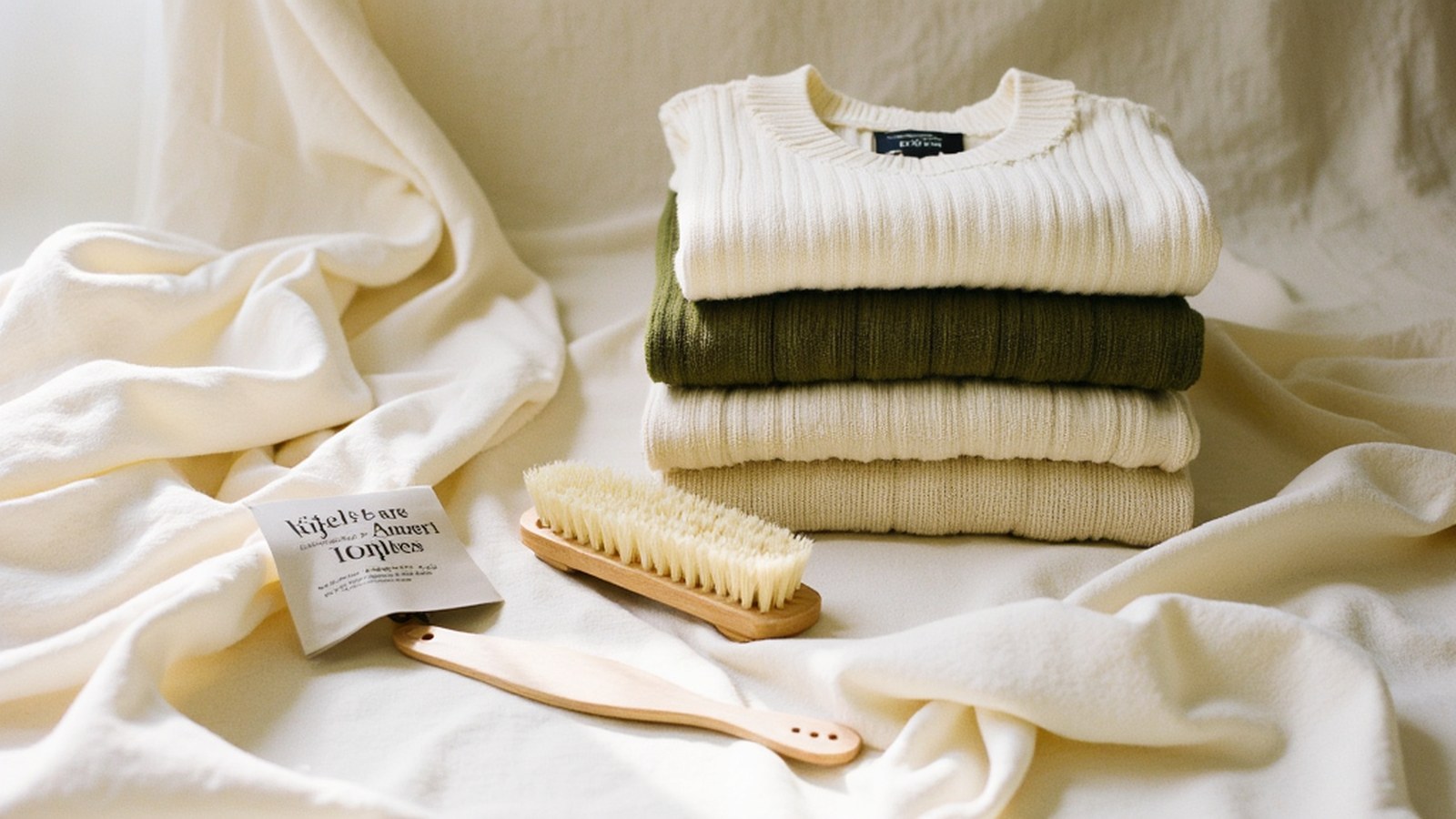
Most garments do not wear out from being worn. They wear out from being washed, dried and stored badly — which is good news, because those are habits rather than fate.
Understanding three things — the fibre, the construction and the care label — tells you how long a piece will last before you buy it, and what to do to make it last longer.
The fibres, in order of durability
Wool. Warm, odour-resistant, holds shape, self-repairs to a point. Fine merino is soft enough for next-to-skin; lambswool and Shetland are hardier. Wool needs airing more than washing.
Cotton. Breathable, strong when wet, takes dye well. It shrinks with heat, creases, and weakens with UV. Long-staple cotton (Supima, Egyptian) pills less and feels better than short-staple.
Linen. The strongest natural fibre when wet, and the coolest. It creases by design and softens with every wash. Buy it one size less loose than you think, because it relaxes.
Silk. Strong for its weight, temperature-regulating, and ruined by sweat and sunlight. Hand-wash cool or dry clean; never wring.
Viscose and rayon. Made from wood pulp. Drapes beautifully, weak when wet, shrinks and stretches unpredictably. Cold hand-wash, dry flat.
Polyester. Strong, cheap, colourfast, and does not breathe. It pills, holds odour, and sheds microplastics. Useful as a blend component (20–40%) for durability; less good as 100% of a garment you wear against the skin.
Elastane (spandex). Gives stretch and dies first — it degrades with heat, chlorine and time. A garment with 5% elastane has a shorter life than the same garment with 1%.
Worth knowing
A useful rule: the more fibres in the blend, the more compromises. 100% wool, 100% cotton and 100% linen are predictable. A five-fibre blend is usually a cost decision, not a performance one.
Reading a care label properly
The symbols matter less than four words: machine wash, tumble dry, iron, dry clean. Each one is a decision the manufacturer made about how the garment will survive.
- "Dry clean only" often means "we did not pre-shrink this" rather than "this cannot be washed". Wool suits and coats: dry clean. A cotton shirt marked dry-clean-only: usually washable cold, at your own risk.
- "Tumble dry low" is still heat. For anything with elastane, wool or viscose, hang it instead.
- "Do not bleach" is close to universal and rarely the reason a garment fails.
If a label has been cut out, treat the garment as delicate: cold wash, no dryer, air dry flat.
The four habits that double a garment's life
1. Wash less, air more. Most clothes are washed far more often than they need. Wool, denim and outerwear benefit from hanging overnight in a ventilated room. Airing removes odour without any mechanical stress.
2. Cold, short, inside out. Cold water protects colour and fibres; a short cycle reduces agitation; turning garments inside out protects the surface from pilling and abrasion. Use a mesh bag for knits and delicates.
3. Never tumble dry what you want to keep. Heat is the single biggest cause of shrinkage, pilling and elastic failure. Hang or dry flat — knits flat, everything else on a hanger.
4. Store it properly. Moths eat wool in the dark; cedar blocks and clean storage help. Knits should be folded, not hung, or the shoulders stretch. Coats need space and a wide hanger.
The three failure modes, and their fixes
Pilling. Short fibres work loose and tangle. Fix with a fabric shaver, not a razor. Prevent with inside-out washing and by avoiding friction (a bag strap, a seatbelt).
Shrinking. Heat plus agitation plus water. Once shrunk, a cotton garment can sometimes be relaxed by soaking in cool water with conditioner and stretching gently — but prevention is the only reliable fix.
Fading. Sunlight and repeated washing. Wash inside out, dry in shade, and accept that indigo and black fade; that is the material behaving honestly.
Repair before you replace
The cheapest and most sustainable purchase is the one you already own. Common repairs and rough costs:
- Rehemming trousers: $15–$25
- Replacing a zip: $20–$40
- Reweaving a small moth hole: $15–$30
- Resoling leather shoes: $40–$80
- Replacing buttons: the price of buttons
- Darning a knit: $10–$20, or free if you learn
A visible repair is not a failure. It is how clothes were maintained for most of history, and it looks better than a garment that has been worn thin and thrown away.
Watch out
Do not keep clothes "for best". Stored garments degrade too — elastic perishes, moths find wool, and styles become unwearable. Wear the good coat. That is what it is for.
The short version
Buy fewer fibres you understand, wash colder and less often, never tumble dry anything you want to keep, and repair before replacing. Those four habits will outlast any shopping strategy, because most clothes die in the laundry rather than in the wardrobe.
Frequently asked
How often should I wash clothes?
Tops and shirts after 2–3 wears, trousers after 4–6, jeans rarely (spot-clean instead), coats once a season. Underwear and socks every wear.
Does cold water really clean clothes?
Yes, for everyday soil. Detergents work in cold water; heat mainly helps with oils and stains. Cold washing protects fibres and colour.
Why do my knits pill?
Friction between fibres, usually from short-staple wool or a loose knit, plus washing machine agitation. A fabric shaver removes pills; washing inside out and air-drying prevents them.
Is dry cleaning better for clothes?
Not always. Dry cleaning is harsh on some fibres and uses solvents. Wool coats and tailoring benefit; knits, denim and cotton usually do better with gentle washing.