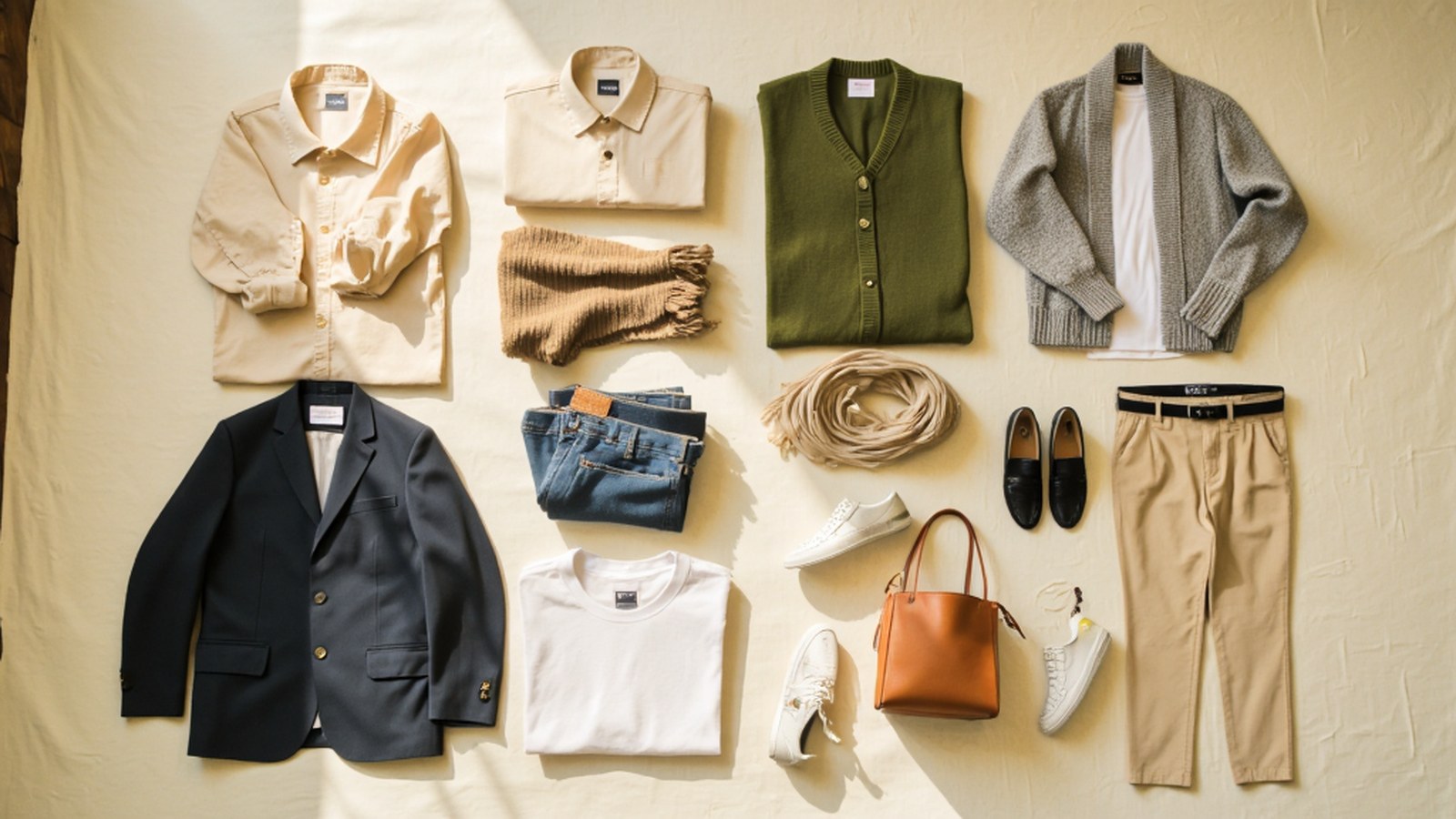
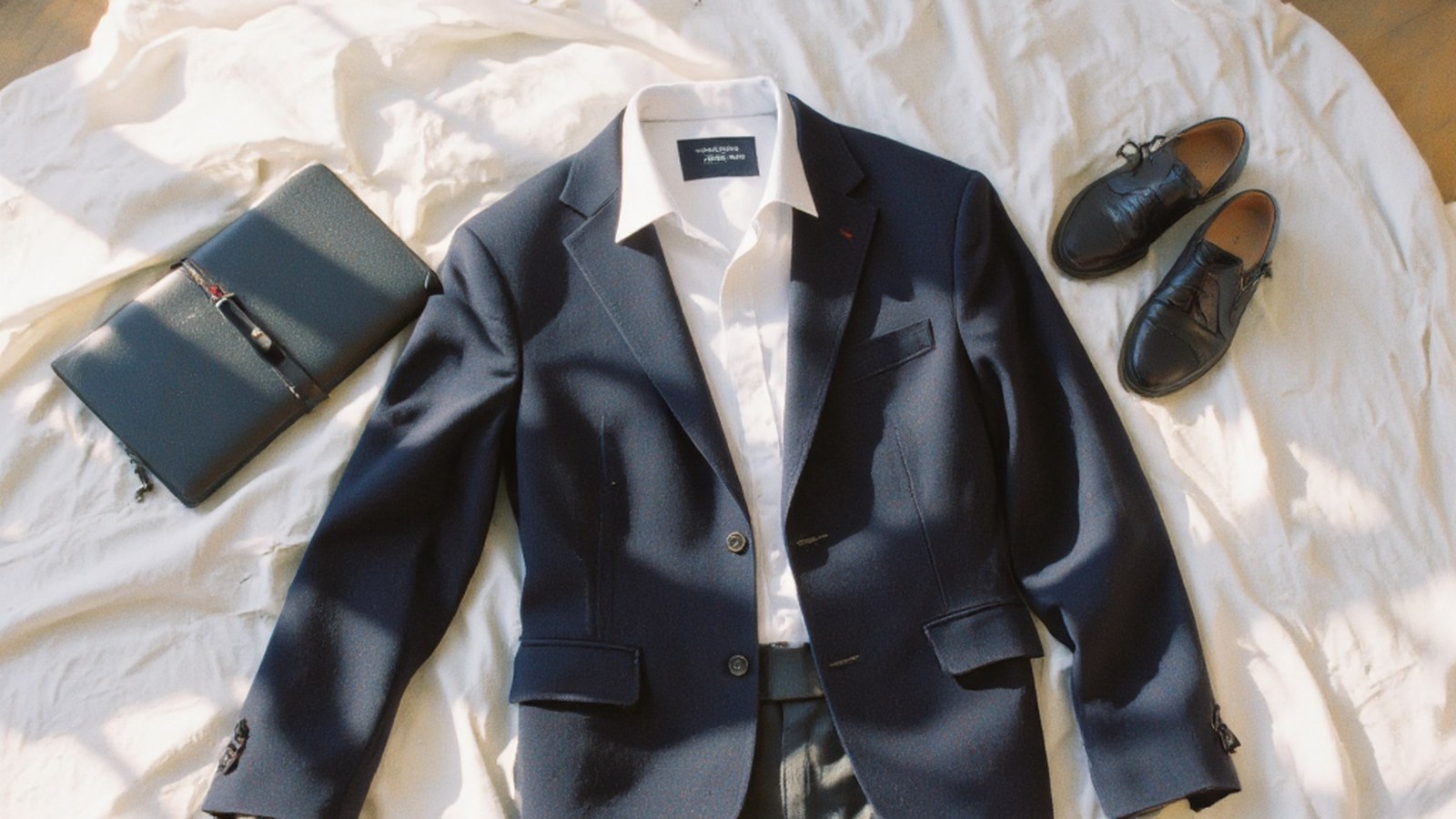
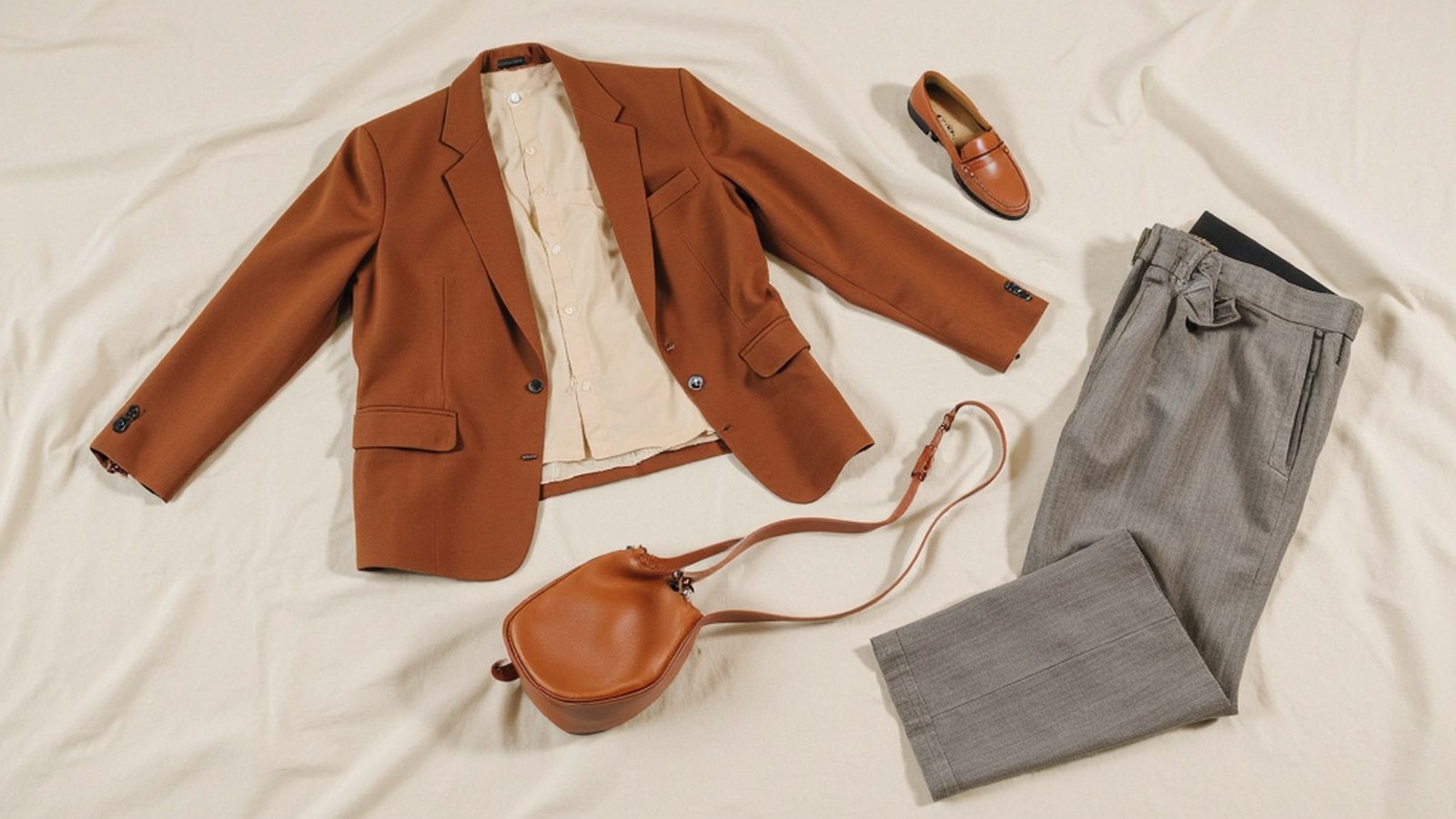
How to Build a Capsule Wardrobe You Will Actually Wear
Not 33 items, not a beige uniform. A capsule is a constraint that makes getting dressed faster — here is how to build one around your real life.
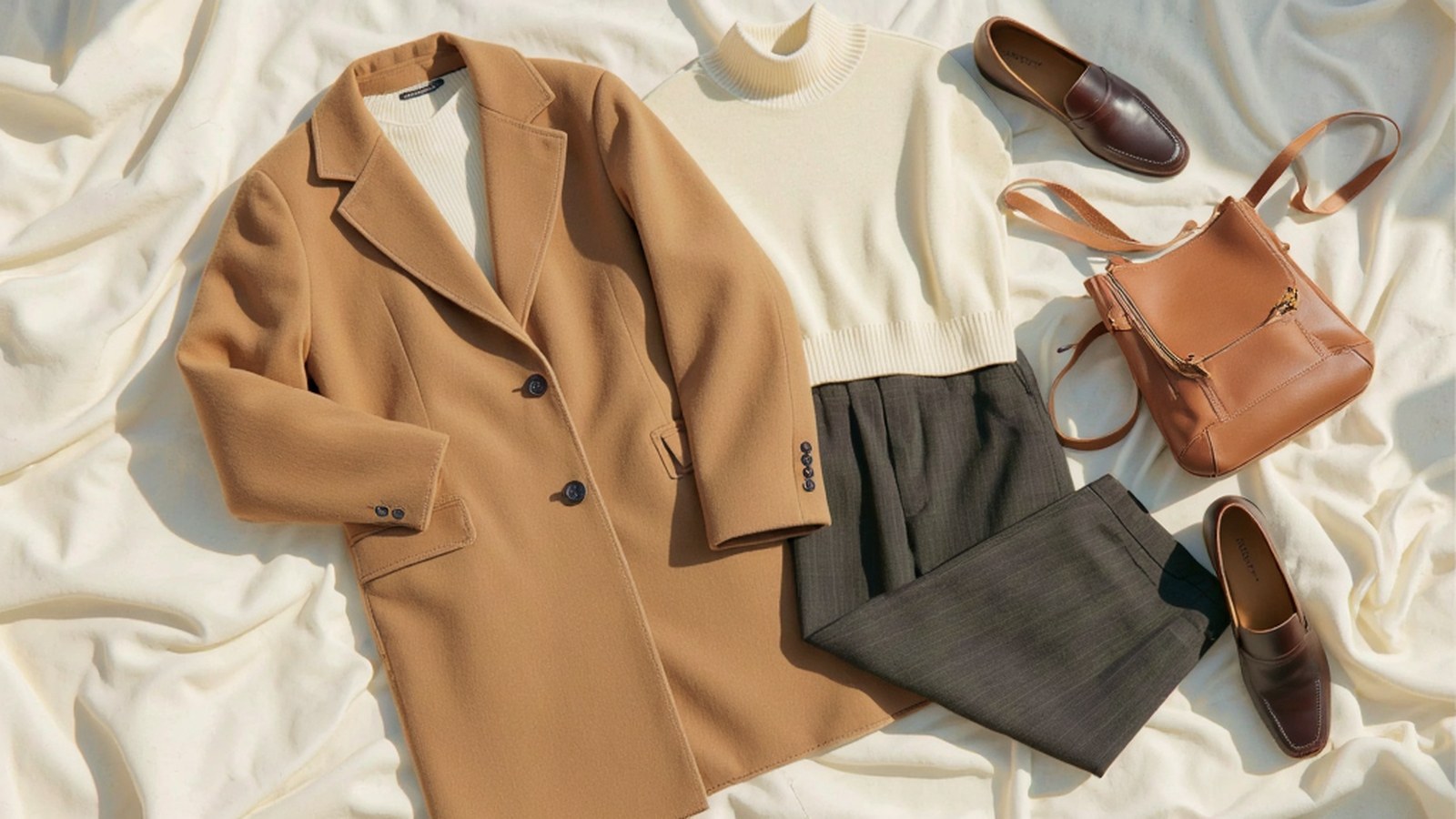
Most capsule wardrobe advice fails for the same reason diet advice fails: it starts from an ideal life rather than your actual one. A list of 33 perfect items is useless if you spend four days a week in an office with aggressive air conditioning and two days in muddy boots at an allotment.
A capsule is not a uniform and it is not minimalism as an aesthetic. It is a constraint you choose so that every morning involves fewer decisions and fewer regrets. Done properly, it is the opposite of deprivation: you wear more of your wardrobe, and more of it works together.
Start with your week, not your wishlist
Before you buy anything, write down the last two weeks of your life in outfits. Not what you wish you wore — what you actually wore, and where.
A useful format:
| Where you were | How often | What you wore | What was wrong |
|---|---|---|---|
| Office, desk days | 3× / week | Knit + trousers + loafers | Trousers crease by noon |
| Office, meeting days | 1× / week | Blazer + dress | Dress is too summery for October |
| Weekend, errands | 2× / week | Jeans + sweatshirt | Sweatshirt has a stain |
| Dinner out | 1× / month | "Nothing to wear" | No mid-layer that isn't a hoodie |
Two things usually appear. First, you wear about 20% of your wardrobe 80% of the time — which is normal. Second, the gaps are almost never "a statement piece". They are ordinary things: a layer, a pair of trousers that survives a day, shoes that work with two outfits instead of one.
Worth knowing
Count the pieces you wore in those two weeks. That number, plus a couple of replacements, is roughly the size of capsule you need. Most people land between 15 and 30 depending on climate and laundry habits.
The four layers
Every functional wardrobe is built from the same four roles. Getting the ratio right matters more than getting the individual pieces right.
Base layer (tops you wear against skin). Five to seven pieces. T-shirts, fine knits, shirts. These take the most wear and deserve the most replacement budget — a good cotton tee that survives 60 washes is cheaper than three that pill.
Second layer (the piece that makes an outfit). Three to four. A cardigan, a overshirt, a fine turtleneck, a blazer. This is where most wardrobes are thin, and it is the single biggest reason people feel they have "nothing to wear" — one top and one bottom is a look, not an outfit.
Outer layer. One to three, depending on climate. A coat that works over everything, and a lighter jacket for the shoulder seasons. Outerwear is the piece you wear most per dollar, so it is the last place to economise.
Shoes. Two to four pairs. One everyday pair, one smarter pair, one weather-proof pair. A shoe that works with only one outfit is a decoration, not a wardrobe.
Everything else — bags, belts, scarves, jewellery — is optional and should be chosen last, because accessories cannot fix a gap in the four layers above.
Choose a palette before you choose pieces
Combination is a colour problem before it is a style problem. If every top goes with every bottom, ten pieces give you dozens of outfits; if three of them clash, you have lost most of the combinations.
A palette that works has three roles:
- A base (usually two neutrals): ivory, ecru, grey, navy, charcoal, black, camel. These are the pieces you wear most.
- A supporting colour: olive, denim blue, chocolate, burgundy. Enough to stop the wardrobe looking like a uniform.
- An accent: one colour you genuinely love, used sparingly — rust, mustard, cobalt, forest green.
- Ivory#F3EBDD
- Camel#B98F5E
- Olive#6E7554
- Charcoal#33312E
- Rust#A85A32
The test is simple: hold any two pieces together. If they look like they belong to the same wardrobe, the palette is working. If one piece only works with one other piece, it is a costume, not clothing.
The arithmetic that makes it work
A 12-piece capsule — five tops, three bottoms, two layers, two shoes — is not 12 outfits. It is:
- 5 tops × 3 bottoms = 15 combinations
- × 2 layers = 30
- × 2 shoes = 60
That is the entire argument for a capsule, and it is why 12 well-chosen pieces feel like more clothes than 40 random ones. The constraint is not on variety; it is on friction.
The formula
- Base: one neutral top you can wear twice a week without thinking
- Second layer: something with a collar or a texture, so it reads as intentional
- Bottom: the shape that suits the shoes you actually own
- Shoes: the pair you would walk a mile in
- Accent: one element — a scarf, a bag, a colour — that is not neutral
What to buy first, and what to wait on
Buy in this order, and give yourself at least two weeks between steps:
- Replace the worn-out workhorses. The trousers that crease, the tee that has gone translucent. This is not exciting and it is 70% of the improvement.
- Fill the second layer. This is where most people are short, and where a modest spend changes the most outfits.
- Fix the shoes. One pair that works with the trousers you wear most.
- Add the accent. Only once the basics combine.
Do not buy:
- A "capsule" bundle someone else designed. It optimises for their proportions, climate and life.
- Three versions of the same item because it was on sale. That is a collection, not a capsule.
- Anything that needs a garment you do not own (the trousers that need heels, the coat that needs a scarf to look right).
- Trend pieces with a one-season lifespan until the four layers are complete.
The two-week test
Before a new piece joins the capsule, keep the tags on and wear it twice in a real week — not to a mirror. If it needs adjusting, pinning, or a different bra, it is not going to get worn. Return it.
If you cannot return it, the honest test is: does it work with at least three other things you own? If yes, keep it. If no, it is the beginning of the next clear-out, not the end of this one.
Watch out
Do not declutter before you plan. Most people throw out the very pieces a capsule needs — a plain knit, a good white shirt — because they feel boring, then buy replacements that are less versatile. Plan first, remove second.
The short version
A capsule wardrobe is a colour palette plus four layers plus a rule that every piece must earn three combinations. Start with two weeks of real outfits, choose your palette, fill the gaps in order, and give it a season before you judge it. The goal is not fewer clothes for its own sake — it is a wardrobe where the answer to "what do I wear" takes ten seconds.
Frequently asked
How many pieces should a capsule wardrobe have?
Anywhere from 10 to 40, depending on your climate and how often you do laundry. The number matters less than the rule: every piece should combine with at least three others.
Do capsule wardrobes have to be neutral?
No. Neutral is just easier to combine. If you love colour, build the capsule around one or two colours you actually reach for and keep the rest supporting.
How long does it take to build one?
Plan a weekend to audit and plan, then buy over two to three months. Building it all at once is the most common way to end up with clothes you regret.
What if I work from home?
Then your capsule is smaller and softer: fewer structured pieces, more layers, and comfort as a genuine criterion rather than a compromise.