How to Shop Secondhand Without Wasting Money
Secondhand is cheaper, better made and better for the planet — if you buy the right things. Here is what to look for, what to skip, and how to read a listing.
Secondhand shopping has a reputation for being either a treasure hunt or a minefield. Both are true, and the difference is almost entirely in what you buy and how carefully you read the listing.
The economics are straightforward: a well-made wool coat costs $80–$150 used instead of $400 new, and it will outlast three fast-fashion coats. A used polyester blouse costs $12 and is worth $0, because it was never worth much.
So the skill is not finding bargains. It is knowing which bargains are real.
What is worth buying secondhand
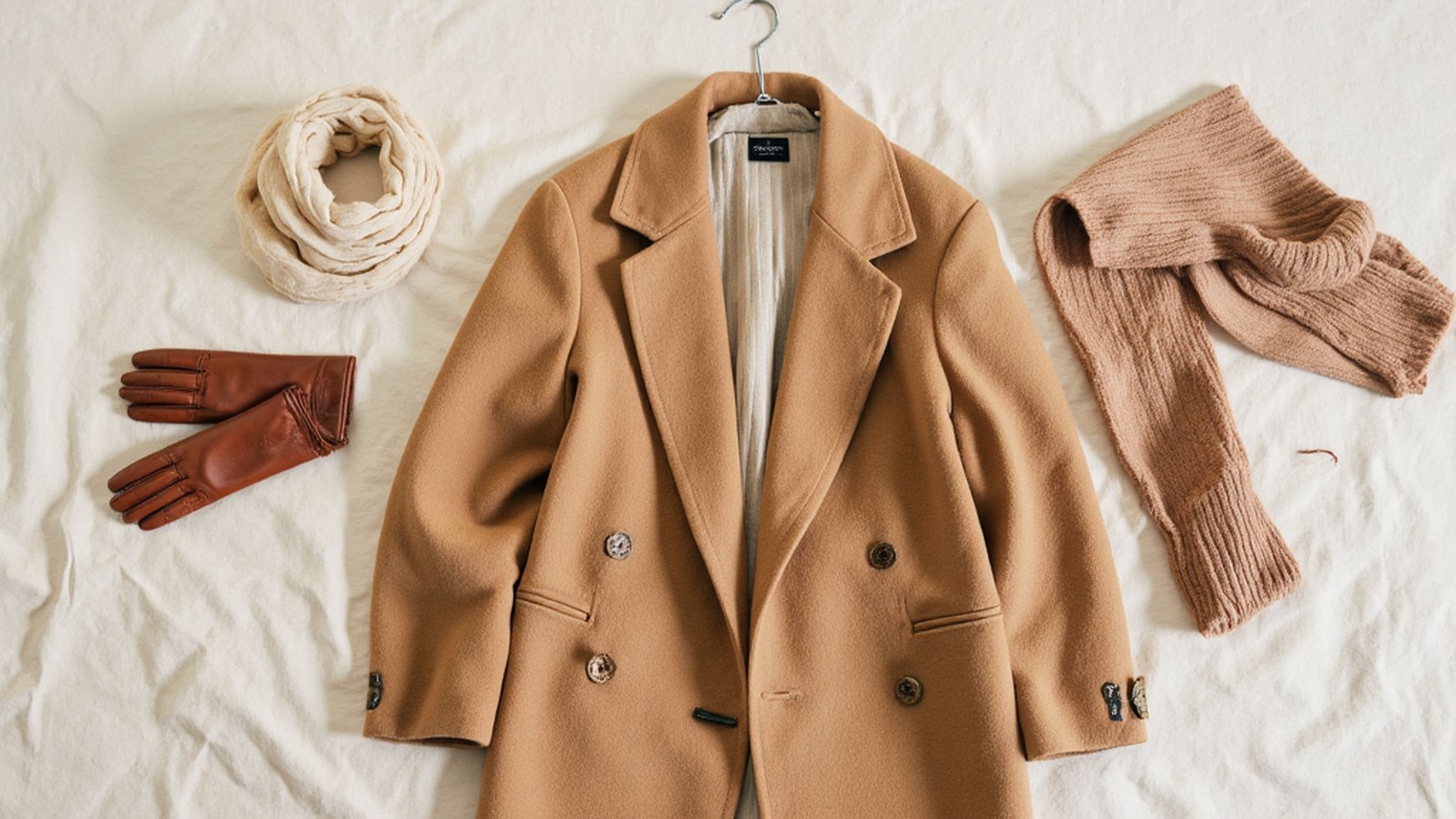
Outerwear. Coats, jackets, blazers. The best value in the category: heavy fabric, simple construction, and the kind of piece that was expensive new and is nearly indestructible.
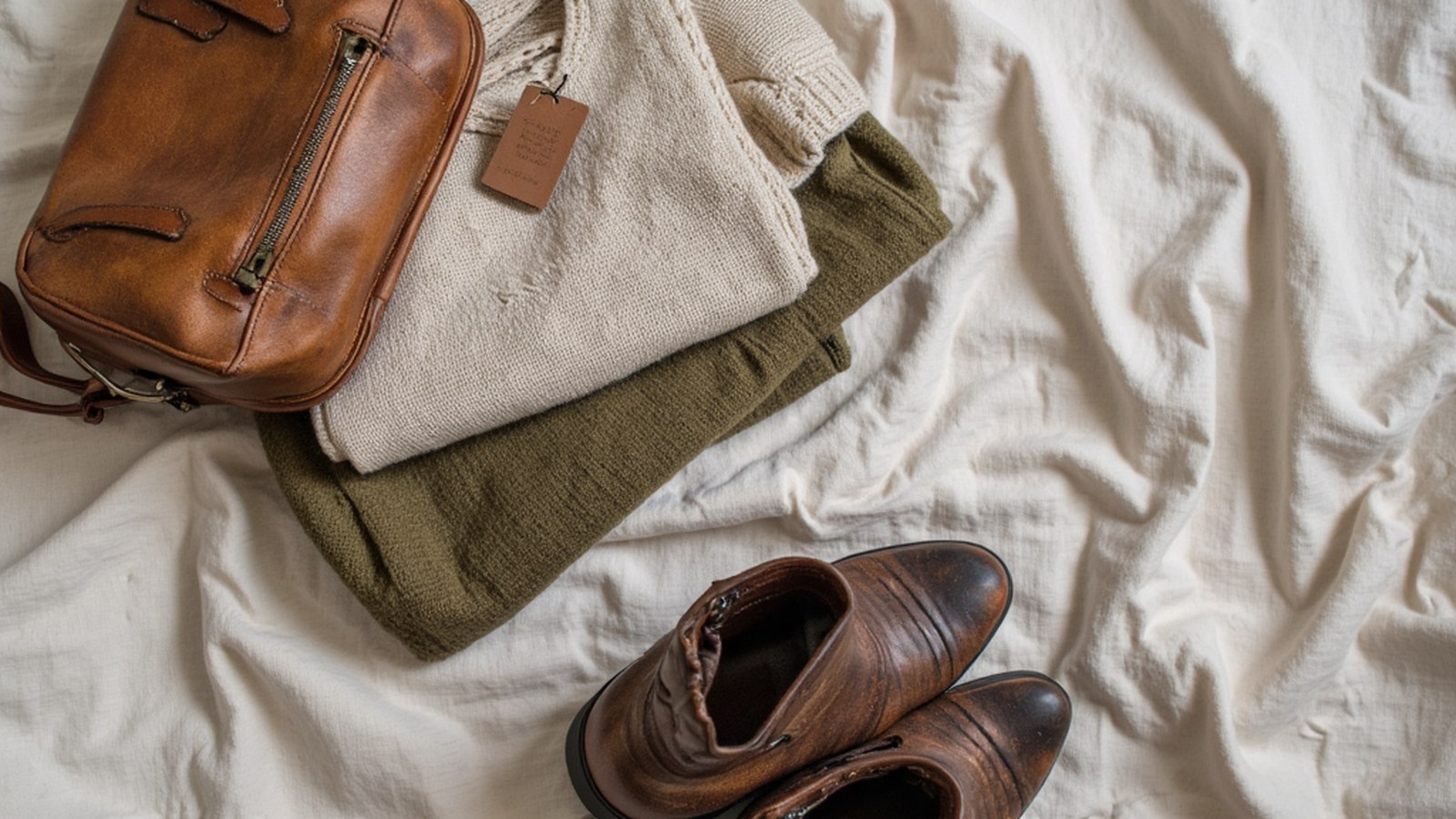
Knitwear. Wool, cashmere, merino. A $30 cashmere jumper with a small repair beats a $90 synthetic one that pills in a month.
Leather. Bags, shoes, belts. Leather ages rather than wears out, and a good bag from 1995 is better than most new ones.
Tailoring. Suits, trousers, skirts. Look for brands that made them properly; a $40 wool trouser is a $40 alteration away from perfect.
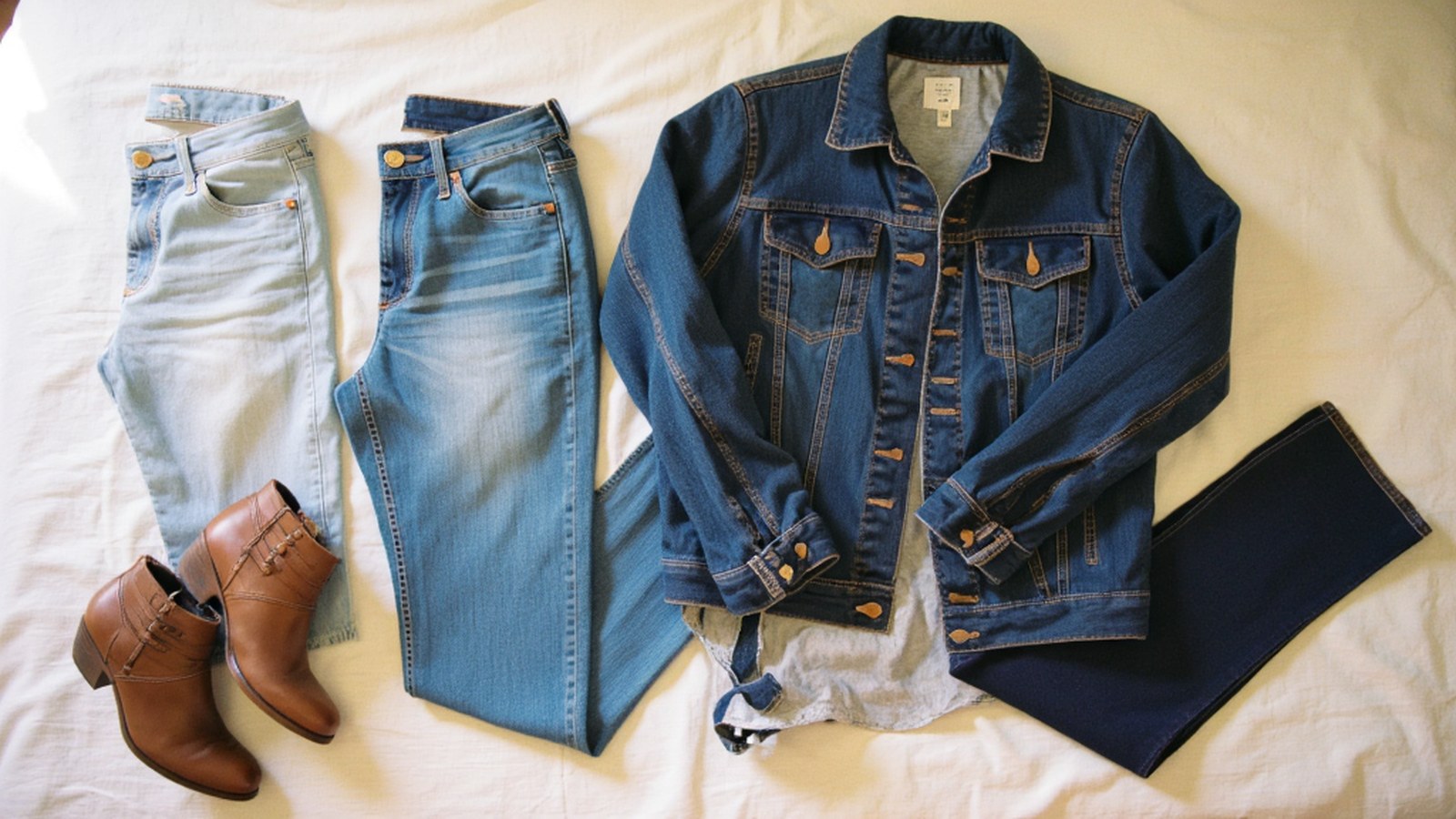
Denim. Vintage and older denim is heavier and holds shape better than most new stretch denim.
What to skip
- Fast fashion, unless it is a specific shape you want to test.
- Anything with a smell you cannot identify. Mildew does not wash out of wool.
- Stretched-out knits at the elbows, cuffs and neckline. They do not recover.
- Shoes worn through at the heel — the structure is gone, not just the sole.
- Dry-clean-only pieces with visible water marks.
- Underwear, swimwear, and anything worn against the skin with no chance of sanitising.
How to read a listing
A good listing gives you five things. If two are missing, ask before buying.
- Garment measurements, flat. Pit to pit, length, waist, inseam. These are the only numbers that matter across decades of sizing.
- The fibre label photo. "Wool coat" can mean 20% wool.
- The size label photo, plus a note on whether it runs small or large.
- Clear photos of the flaws — the seller who photographs a stain is more trustworthy than the one who does not mention it.
- The return policy. Read it before you fall in love with the item.
Worth knowing
Sizing has changed. A vintage 10 is often a modern 6–8, and a 1990s medium is a modern small. Never buy by the label — buy by the measurement, compared to a garment you already own and like.
Inspection checklist, in order
When the item arrives, or when you are standing in a shop:
- Seams. Pull gently along the side seam and the shoulder. Loose stitches now mean a repair later.
- Underarms and collar. Yellowing and wear show here first, and they are hard to fix.
- Lining. A torn lining is a $30 repair; a missing one means the garment is unlined, which changes how it wears.
- Zips and buttons. Replaceable, but factor in the cost and the trip.
- Pilling. Surface pills can be shaved; pills that have matted into the fabric cannot.
- Smell. Sniff the armpits and the collar. If it smells of storage, it may air out; if it smells of mildew, walk away.
- Stretch. Hold a knit up to the light. If you can see through it at the elbows, it is worn out.
Price anchors
Useful rules of thumb for what used clothing should cost, relative to new:
| Category | Fair used price | Notes |
|---|---|---|
| Wool coat | 25–40% of new | Check the fibre content and the lining |
| Cashmere knit | 20–35% | Look for holes at the underarm |
| Leather bag | 30–50% | Check the hardware and the lining |
| Denim | 20–40% | Rigid denim ages well; stretch does not |
| Tailoring | 20–35% | Budget for alterations |
| Sneakers | 25–45% | Only if the soles are intact |
If the price is near new, there is no reason to buy used unless the item is unavailable new.
The built-in advantage: alterations
Secondhand pieces are cheap enough to alter. A $40 wool trouser plus a $25 hem and waist adjustment is a $65 trouser that fits you exactly — better than a $120 new one that fits approximately.
This is why the best secondhand purchases are the ones with simple construction: a straight-leg trouser, a plain coat, a crew-neck knit. Complicated garments are harder to alter and harder to assess.
Watch out
Do not buy secondhand "to resell later" unless you already know the market. Most people overpay for pieces they cannot wear and cannot sell, which is how a sustainable habit becomes a cupboard of unsold inventory.
The short version
Buy outerwear, knitwear, leather and tailoring secondhand; buy basics, underwear and anything you need in a specific fit new. Ask for flat measurements, check the fibre label, inspect the seams and the underarms, and budget for alterations. Ten good secondhand pieces will outlast thirty new ones.
Frequently asked
Is secondhand clothing actually cheaper?
For good quality, yes — often 60–80% below new. For fast fashion, no: a used fast-fashion piece costs nearly as much as a new one and lasts a third as long.
How do I know my size when buying online?
Ignore the label. Ask for garment measurements — pit to pit, waist, inseam — and compare them to something you own that fits.
What should I never buy secondhand?
Underwear, swimwear, anything with a strong smell, damaged zips or cracked leather, and shoes that have worn through the sole at the heel.
Are there returns on secondhand platforms?
Sometimes, and often at your cost. Check the policy before you buy, and prefer platforms that allow returns for fit.