The Shoes That Work With Almost Everything
Shoes decide whether an outfit reads casual or considered. Four pairs cover most wardrobes — and one of them matters more than the other three.
An outfit is read from the ground up more than people realise. The same trousers and knit look casual with a sneaker, considered with a loafer, and slightly severe with a heel. The shoe is not an accessory; it is the register.
That is why four well-chosen pairs do more for a wardrobe than ten random ones.
The four pairs
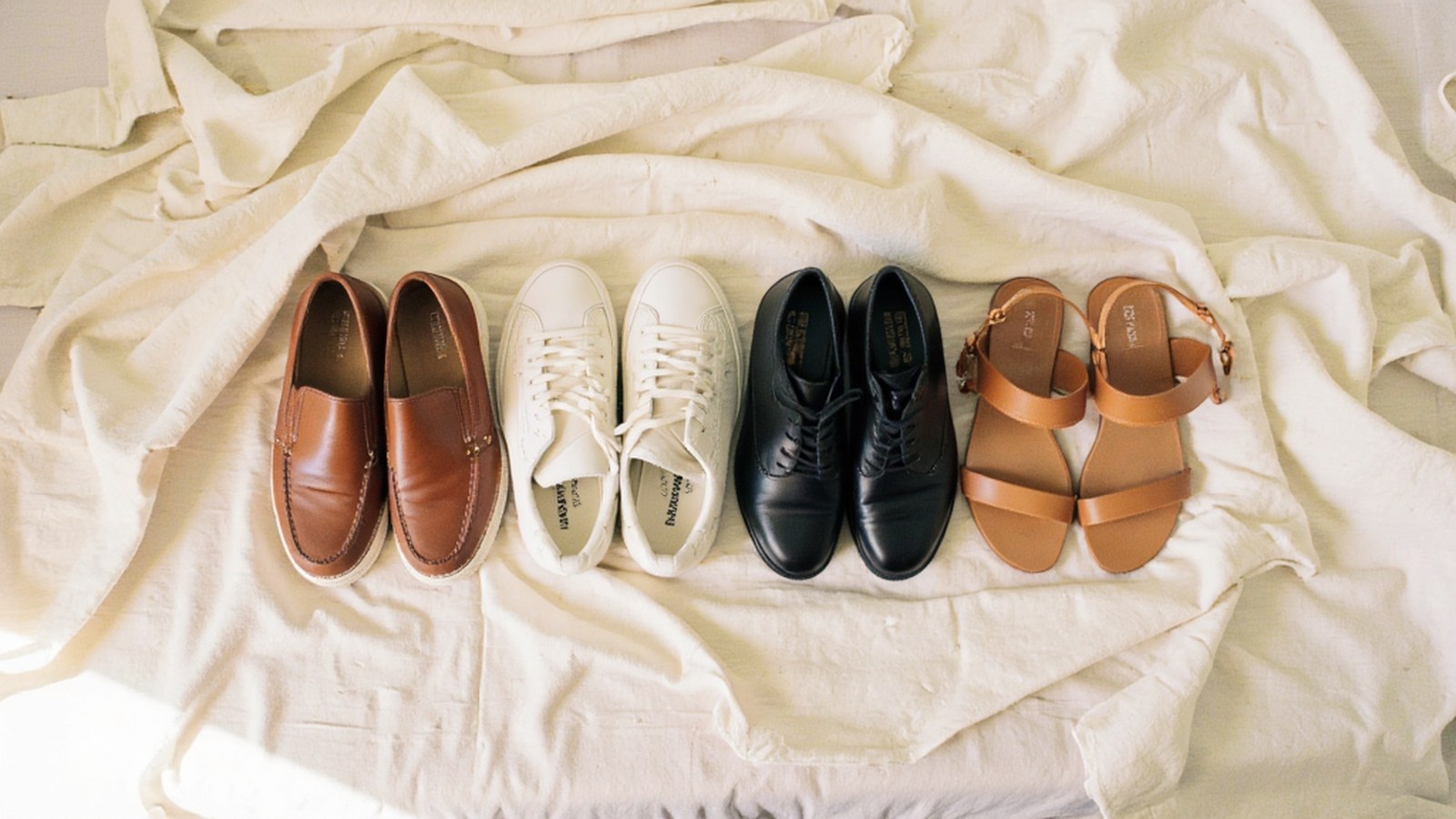
1. A leather everyday shoe. A derby, a loafer, or a simple flat in black, dark brown or cognac. This is the pair that covers work, dinners and anything with a collar. Buy it in leather, with a rubber or resolable sole, and take care of it.
2. A clean sneaker. Leather or canvas, minimal branding, in white, off-white or a neutral. It dresses down tailoring and dresses up denim. The single most useful casual shoe.
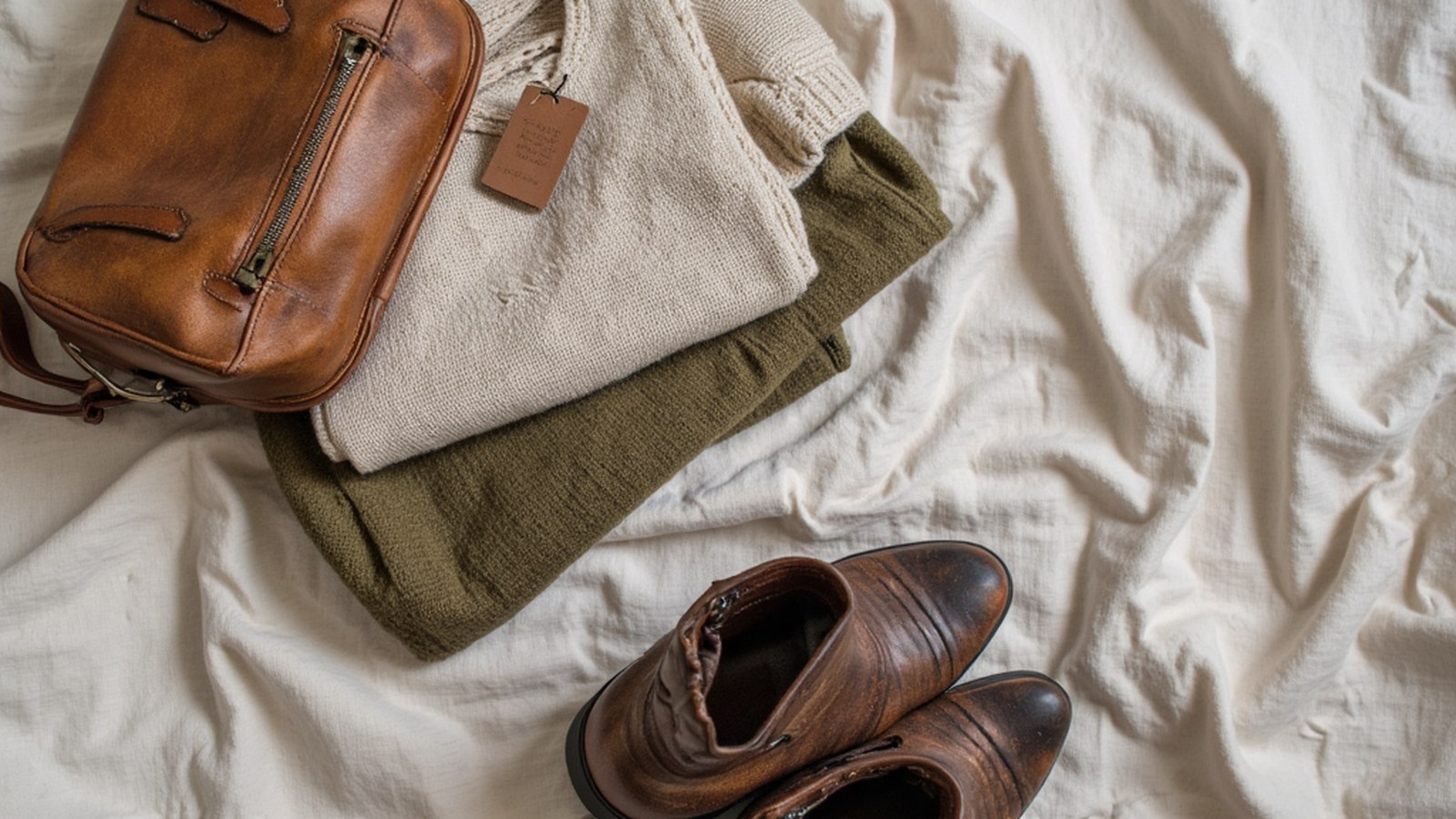
3. A boot. Chelsea, lace-up or a chunky-soled style, in black or brown. It handles weather, works with wide trousers and jeans, and adds weight under a heavy coat.
4. A sandal or a second flat. For warm months or for anyone who cannot wear a heel. A flat leather sandal in tan or black covers summer; a pointed flat covers evenings.
Worth knowing
If you only buy two: the leather everyday shoe and the clean sneaker. Those two cover roughly 80% of the outfits most people wear, and they are the pairs worth spending on.
Match value, not colour
The old advice — match your shoes to your belt — comes from formal tailoring. The rule that actually works is about value:
- Trouser and shoe of similar darkness makes the leg look longer and the outfit more deliberate.
- A pale shoe with a dark trouser creates a hard stop at the ankle, which is fine for a deliberately casual look and awkward otherwise.
- A dark shoe with a light trouser reads formal and slightly retro; it works with tailoring.
That is why a dark brown shoe is more versatile than a black one in a wardrobe built on camel, olive and denim — and why a black shoe is more versatile in a wardrobe built on grey and navy.
Construction: what you are paying for
Three things decide whether a shoe lasts three years or fifteen:
The sole. Leather soles are resolable and formal; rubber soles are practical and grippy. A cemented sole (glued) cannot be replaced, which caps the shoe's life.
The welt. A Goodyear-welted or stitchdown shoe can be resoled repeatedly. Most fashion shoes are cemented; most quality shoes are not. Ask, or look for visible stitching around the sole edge.
The upper. Full-grain leather creases and patinas; corrected-grain (coated) leather cracks. Suede is comfortable and less weatherproof. Vegan leather varies enormously — the good ones are polyurethane over a textile backing and last a few years; the cheap ones peel.
Fit and comfort
- Try shoes at the end of the day, when feet are largest.
- Buy for the longer foot; most people have one.
- Leave a thumb's width between the toe and the end.
- Leather stretches across the instep, not in length — never buy a short shoe hoping it will give.
- If a shoe rubs at the heel in the shop, it will rub for a month.
What to skip
- Trend shoes as your only pair. A very square toe or an extreme platform dates quickly.
- Shoes you cannot walk a kilometre in. They will live in a bag.
- Suede as an everyday shoe in a wet climate, unless you enjoy maintenance.
- Cheap "leather" that peels after a season. Check the label for the actual material, not the marketing.
- A second pair in the same colour and role before you own a boot or a sneaker.
Judging quality in sixty seconds
In a shop, without turning the shoe over:
- Flex the sole at the ball. It should bend where your foot bends, not in the middle of the arch.
- Press the upper near the toe. Good leather creases and springs back; coated leather cracks; cheap synthetic stays flat and shiny.
- Look at the stitching. Even, close stitches around the sole edge mean the shoe was built to be repaired.
- Check the insole. A removable, cushioned insole can be replaced; a glued-in foam one cannot.
- Weigh it in your hand. A shoe that feels like cardboard will feel worse after an hour of walking.
None of this requires expertise, and all of it saves a return.
A small rotation, cared for
Two pairs worn alternately last far longer than one pair worn daily: leather needs a day to dry out between wears. Add shoe trees (cedar, about $20) and a brush, and a good pair will look better in year three than a cheap pair looked in month two.
Polish leather shoes every few weeks, rewaterproof suede before winter, and replace heels before they wear through — a $15 repair versus a $150 replacement.
Watch out
Do not store leather shoes in a plastic bag or a damp cupboard. They need air. A canvas dust bag and a dry shelf is all they need.
The short version
Buy the leather everyday shoe and the clean sneaker first, then a boot, then a sandal. Match the shoe's value to the trouser, spend on the sole and the upper, and rotate two pairs rather than wearing one to death. The shoe is the register of the outfit — choose the one that says what you mean.
Frequently asked
How many pairs of shoes do I need?
Four for most people: a leather everyday shoe, a clean sneaker, a boot and a sandal or a second flat. More is a preference; fewer starts to limit what you can wear.
Do shoes have to match the belt?
No. That rule is from tailoring traditions most people no longer follow. Match the shoe to the trouser's value, and let the belt be its own decision.
Are white sneakers appropriate for work?
In relaxed offices, yes, if they are clean leather and minimal. In conservative ones, no — a loafer does the same job with more register.
Should I buy shoes a size up?
No. Buy for the longer foot and the wider one, try them at the end of the day, and leave a thumb's width at the toe. Leather stretches across the instep, not in length.